Big Toe Mobility: Why the Big Toe Matters for Balance and Joint Health

Posted On

Categories

Avita

Share

Why Big Toe Mobility Matters

That big toe.

It doesn’t get much attention—until it does.

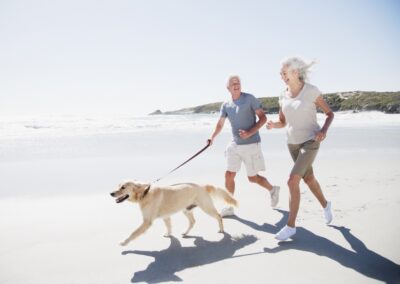
When big toe mobility is limited, we often notice changes in how we walk and balance.

When it stops functioning well, we feel it:

  • stiffness or arthritic discomfort that comes and goes
  • subtle shifts in our stride
  • pressure moving into other parts of the foot

Over time, that lack of movement can become more persistent.

A Small Joint with a Big Role

Big toe mobility plays a key role in walking and balance.

When it moves well, it helps us:

  • transfer weight smoothly
  • stabilize through each step
  • distribute pressure throughout the foot

When it doesn’t, the body adapts to the lack of movement. 

The Effect Travels Up

Have you heard of the trickle-down theory of economics? I like to think of this as a trickle-up effect in the body.

When the toes and feet become rigid, that pattern doesn’t stay there.

These compensation patterns travel to and affect

  • ankles
  • knees
  • hips
  • and sometimes the lower back

Try walking while pretending your big toe is stiff and painful.

You’ll feel it immediately.

In real life, these patterns often develop more subtly—beneath our conscious awareness.

Pressure may shift toward the outside of the foot, into the little toe.
The knees and hips begin to compensate.
Even the lower back can be affected.

If you’d like to see how this shows up in the body, here’s a short video:

When Movement Stops, Things Change

Across the body, tissues adapt to what we do—and what we don’t do.

When joints stop moving:

  • tissues become less responsive
  • joint spaces can degrade
  • the local environment becomes less resilient

We often call this arthritis or degeneration.

But in many cases, it’s not just what we’ve done to the joints.

It’s what we haven’t done.

We haven’t exposed them to their full movement potential or given them the gentle compression they need to stay clean, mobile, and healthy.

And that can begin to change at any time.

When we bring attention to these deeper structural layers, restoration and remodeling can occur.

Nature likely expected us to crouch, kneel, and use our toes more fully than we do today.

At the Bottom of the Body

For most joints, lack of movement is the primary issue.

But the feet have an added challenge—they’re at the bottom.

Things tend to settle there.

When movement is limited, the body’s natural cleansing and circulatory processes can slow—especially in areas working against gravity, like the feet and lower legs.

Conditions like gout are one example of how this can show up.

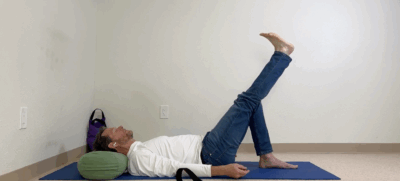
It’s one reason why we have numerous shapes and movements with our legs-up-the-wall.

In these classes, we take a similar approach:

  • we bring movement into the joints
  • then allow the body time to respond

It’s potent work.

And it doesn’t require extremes.

Consistency is enough.

Movement vs Protection

When the big toe becomes stiff or uncomfortable, we tend to protect it.

We shorten our stride.
Pain points cause us to avoid the pressure the joints need.
We move around the discomfort.

That makes sense.

We’re wired to avoid pain and seek comfort.

But over time, less movement often leads to more restriction.

In Avita, we don’t force movement—but we don’t abandon it.

We use pain as a messenger, and we learn to distinguish it from what I call healing sensation—a key idea I explore in Mobility for Life.

We kindly and consistently bring movement back.

It’s not about how much movement we can get.

It’s about the quality of movement that can be naturally generated. 

It’s Not What We Did—It’s What We Didn’t Do

The good news is…

It’s not so much about what we’ve done with or to our joints in the past.

It’s what we haven’t done. It’s what we’ve been conditioned to avoid. 

We haven’t:

  • moved them fully
  • loaded them appropriately
  • exposed them to their natural range

This isn’t exercise.

It’s basic joint hygiene. It’s about what we can do today in the here and now.

Letting the Body Reorganize

And there’s more good news!

The body is responsive.

With:

  • time
  • appropriate pressure
  • consistent attention

things begin to shift.

Joints become more responsive as big toe mobility improves
Movement returns.
The load redistributes.

And the whole body begins to reorganize! We love that. 

The Invitation

If this resonates, you’re welcome to explore the series:

👉 Big Toe Series — Part 1
👉 Big Toe Series — Part 2
👉 Big Toe Series — Part 3

You don’t have to force anything. That won’t work.

Just bring a little focused attention and practice according to the feedback.

…incorporate a few shapes and movements into your life and see what you notice.

Thank you for reading. If you enjoyed this information, a natural progression would be to learn about the inner line of the body and how we can naturally gain lift and lightness in our step.
Next
The Inner Line of the Body: Rethinking the Core and Spine
Category: Avita

Why Big Toe Mobility Matters

That big toe.

It doesn’t get much attention—until it does.

When big toe mobility is limited, we often notice changes in how we walk and balance.

When it stops functioning well, we feel it:

  • stiffness or arthritic discomfort that comes and goes
  • subtle shifts in our stride
  • pressure moving into other parts of the foot

Over time, that lack of movement can become more persistent.

A Small Joint with a Big Role

Big toe mobility plays a key role in walking and balance.

When it moves well, it helps us:

  • transfer weight smoothly
  • stabilize through each step
  • distribute pressure throughout the foot

When it doesn’t, the body adapts to the lack of movement. 

The Effect Travels Up

Have you heard of the trickle-down theory of economics? I like to think of this as a trickle-up effect in the body.

When the toes and feet become rigid, that pattern doesn’t stay there.

These compensation patterns travel to and affect

  • ankles
  • knees
  • hips
  • and sometimes the lower back

Try walking while pretending your big toe is stiff and painful.

You’ll feel it immediately.

In real life, these patterns often develop more subtly—beneath our conscious awareness.

Pressure may shift toward the outside of the foot, into the little toe.
The knees and hips begin to compensate.
Even the lower back can be affected.

If you’d like to see how this shows up in the body, here’s a short video:

When Movement Stops, Things Change

Across the body, tissues adapt to what we do—and what we don’t do.

When joints stop moving:

  • tissues become less responsive
  • joint spaces can degrade
  • the local environment becomes less resilient

We often call this arthritis or degeneration.

But in many cases, it’s not just what we’ve done to the joints.

It’s what we haven’t done.

We haven’t exposed them to their full movement potential or given them the gentle compression they need to stay clean, mobile, and healthy.

And that can begin to change at any time.

When we bring attention to these deeper structural layers, restoration and remodeling can occur.

Nature likely expected us to crouch, kneel, and use our toes more fully than we do today.

At the Bottom of the Body

For most joints, lack of movement is the primary issue.

But the feet have an added challenge—they’re at the bottom.

Things tend to settle there.

When movement is limited, the body’s natural cleansing and circulatory processes can slow—especially in areas working against gravity, like the feet and lower legs.

Conditions like gout are one example of how this can show up.

It’s one reason why we have numerous shapes and movements with our legs-up-the-wall.

In these classes, we take a similar approach:

  • we bring movement into the joints
  • then allow the body time to respond

It’s potent work.

And it doesn’t require extremes.

Consistency is enough.

Movement vs Protection

When the big toe becomes stiff or uncomfortable, we tend to protect it.

We shorten our stride.
Pain points cause us to avoid the pressure the joints need.
We move around the discomfort.

That makes sense.

We’re wired to avoid pain and seek comfort.

But over time, less movement often leads to more restriction.

In Avita, we don’t force movement—but we don’t abandon it.

We use pain as a messenger, and we learn to distinguish it from what I call healing sensation—a key idea I explore in Mobility for Life.

We kindly and consistently bring movement back.

It’s not about how much movement we can get.

It’s about the quality of movement that can be naturally generated. 

It’s Not What We Did—It’s What We Didn’t Do

The good news is…

It’s not so much about what we’ve done with or to our joints in the past.

It’s what we haven’t done. It’s what we’ve been conditioned to avoid. 

We haven’t:

  • moved them fully
  • loaded them appropriately
  • exposed them to their natural range

This isn’t exercise.

It’s basic joint hygiene. It’s about what we can do today in the here and now.

Letting the Body Reorganize

And there’s more good news!

The body is responsive.

With:

  • time
  • appropriate pressure
  • consistent attention

things begin to shift.

Joints become more responsive as big toe mobility improves
Movement returns.
The load redistributes.

And the whole body begins to reorganize! We love that. 

The Invitation

If this resonates, you’re welcome to explore the series:

👉 Big Toe Series — Part 1
👉 Big Toe Series — Part 2
👉 Big Toe Series — Part 3

You don’t have to force anything. That won’t work.

Just bring a little focused attention and practice according to the feedback.

…incorporate a few shapes and movements into your life and see what you notice.

Thank you for reading. If you enjoyed this information, a natural progression would be to learn about the inner line of the body and how we can naturally gain lift and lightness in our step.

Next
The Inner Line of the Body: Rethinking the Core and Spine

Related Posts